)
Traveling to China with EF Ultimate Break
China is unlike anywhere else
The Great Wall at Mutianyu: Mountains rolling in every direction, a scenic cable car ride, and one of the best-preserved sections of the Great Wall, originally built to protect China’s northern frontier.
Pandas. Actual pandas: The Research Base of Giant Panda Breeding in Chengdu is the real deal—giant pandas, red pandas, and more bamboo than you’ve ever seen.
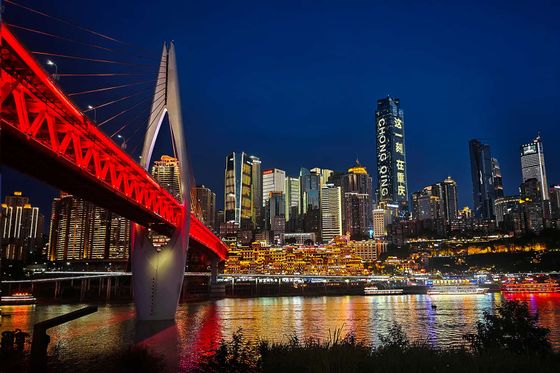
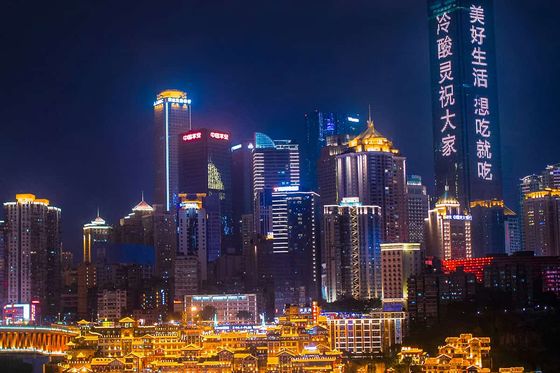
Cities that don’t look real: Chongqing’s 8D streets and viral drone show. Shanghai’s Bund waterfront facing off with a futuristic skyline. You have to see it to believe it.
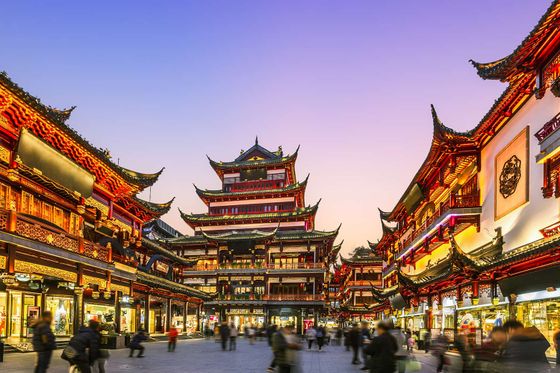
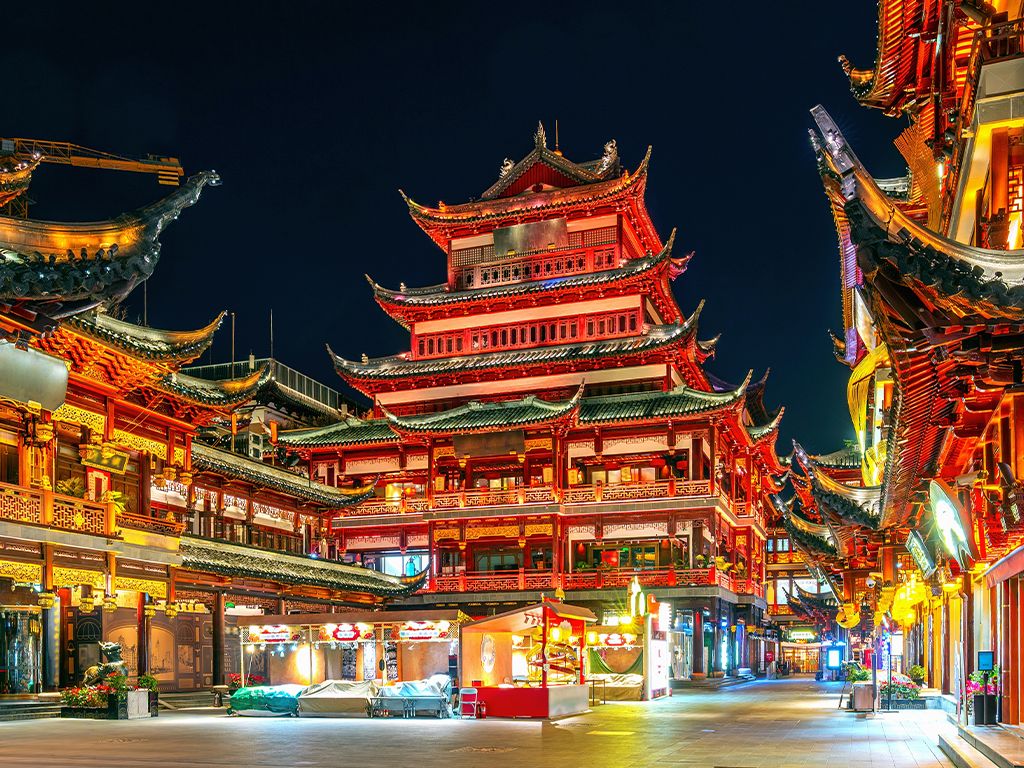
History you can walk through: The Forbidden City, Yu Garden, Hongya Cave—the past is alive and right in front of you.
We handle everything: Handpicked accommodations, expert guides, a Tour Director with you every step, and 24/7 support. All you have to do is show up.

Language
Mandarin is the official language of China. English signage is common at major sights, but outside tourist areas, Mandarin is the language of daily life. A few phrases (and a lot of pointing) go a long way—locals do really appreciate the effort.

Currency & tipping culture
China uses the Chinese Yuan/Renminbi (CNY/RMB, symbol ¥). Mobile payments via WeChat Pay and Alipay dominate—but since foreign cards can’t always link to these apps, carry some cash as a backup. Credit cards work at larger hotels and international restaurants. ATMs are available in cities; Bank of China and ICBC machines are your best bet.
Exchange rate: roughly 7 CNY per USD—check before you go.
Cash is useful for markets, street food, and smaller purchases.
ATMs: look for Bank of China or ICBC for the best chance of accepting foreign cards.
Tipping tips:
Tipping isn’t standard in China and not expected in most situations. It’s becoming more accepted in tourist-facing businesses, but don’t feel obligated.
Restaurants: Not expected.
Hotels: 1–2 yuan per bag for porters is appreciated.
Tour guides and drivers: $5–10 USD per day is a thoughtful gesture.
Taxis/ride-hailing: Not expected. Round up if you’d like.
Transportation
Transit in China is impressive. High-speed trains connect major cities quickly and comfortably. City metros in Beijing and Shanghai are clean, affordable, and easy to navigate. On an EF Ultimate Break trip, all intercity travel and transfers are handled for you.

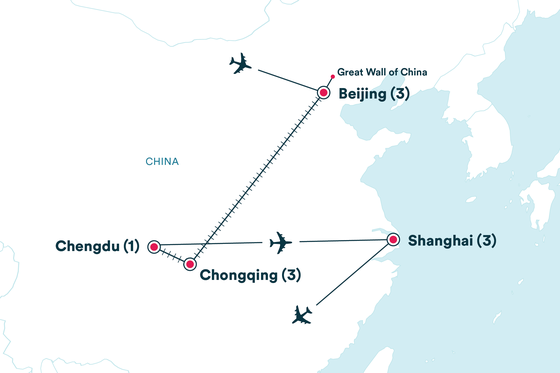
Punctual, spacious, and scenic. The Beijing to Chongqing journey is a highlight in itself.

China’s ride-hailing app. Download before you go—easiest way to get around without Mandarin.

The classic way to experience Beijing’s hutong neighborhoods.
One of the fastest trains in the world, and how you arrive to Shanghai from the airport. A great first impression.

Panoramic views of Chongqing’s mountains and skyline from across the river.
Beijing and Shanghai both have extensive networks with English and Chinese signage.

China’s iconic destinations
Bucket-list final boss: China.


Can’t-miss Chinese experiences

Walk the Great Wall of China at Mutianyu
One of the best-preserved and most scenic stretches of the Wall. Cable car up, sweeping mountain views in every direction—you might forget you’re sharing the planet with eight billion people.

Tour the Forbidden City
Off-limits to everyone but royals for nearly 5,000 years. Now you can walk through its 980 buildings and try to count the 50,000+ dragons that decorate the place.

Ride a rickshaw through Beijing’s hutongs
Hop on a rickshaw through Beijing’s hutongs, where winding alleyways, historic courtyard homes, and hole-in-the-wall restaurants offer a glimpse into everyday life in the city.

Catch the Chongqing drone show
Hundreds of synchronized drones lighting up a futuristic skyline against a mountain backdrop. It’s gone viral for a reason—seeing it in person is a wild experience.

Explore Hongya Cave
An 11-story, 2,300-year-old stilt house packed with shops and restaurants that looks exactly like the bathhouse from Spirited Away.

Visit the panda research base
Watch giant pandas eat bamboo, nap, and be adorable. See red pandas do the same. Learn about the conservation programs keeping these species alive.

Explore Yu Garden & Nanjing Road in Shanghai
A 400-year-old Ming Dynasty garden tucked inside the old city, followed by Shanghai’s legendary pedestrian street—shops, neon lights, street performers, and a local snack tasting.
What’s the weather like in China

March–May & September–October
The sweet spots. Comfortable temperatures (59–77°F), clearer skies, and more manageable crowds. Spring brings cherry blossoms; fall turns the hills around the Great Wall golden.

June–August
Hot, humid, and peak domestic travel season. Chongqing earns its “Furnace City” nickname in summer. Pack your lightest, comfiest clothes so you’re not melting into your hot pot.

November–February
Cold in Beijing, foggy in Chongqing, mild in Shanghai. Crowds thin, prices drop, and the Great Wall in snow is super atmospheric.
When is the cheapest time to visit China?
If you want the China experience without the peak-season price tag, you’ve got a few good options.
What’s the food like in China?
Beijing, Chongqing, Chengdu, and Shanghai each have their own distinct food identity. Roasted and savory up north; fiery and numbing in Sichuan country; rich and seafood-forward in Shanghai.
Safety in China

China is a safe destination for international travelers, with low rates of violent crime. Beijing, Chongqing, Chengdu, and Shanghai are all well-established cities with solid infrastructure and plenty of visitor support.
Petty theft can occur in crowded tourist areas, and many apps you use daily (Google, Instagram, WhatsApp) are blocked. Download a VPN before you leave home.
When you travel with EF Ultimate Break, you’re never figuring this out alone—our Tour Directors and 24/7 support team have you covered.
Your safety is our top priority
Traveling with EF Ultimate Break means you’re not exploring China alone—you’ve got a full support system making sure you feel comfortable, informed, and protected every step of the way.
China travel reviews
Our travelers love visiting China, and they aren’t afraid to tell us.